Cornell Atkinson logo banner
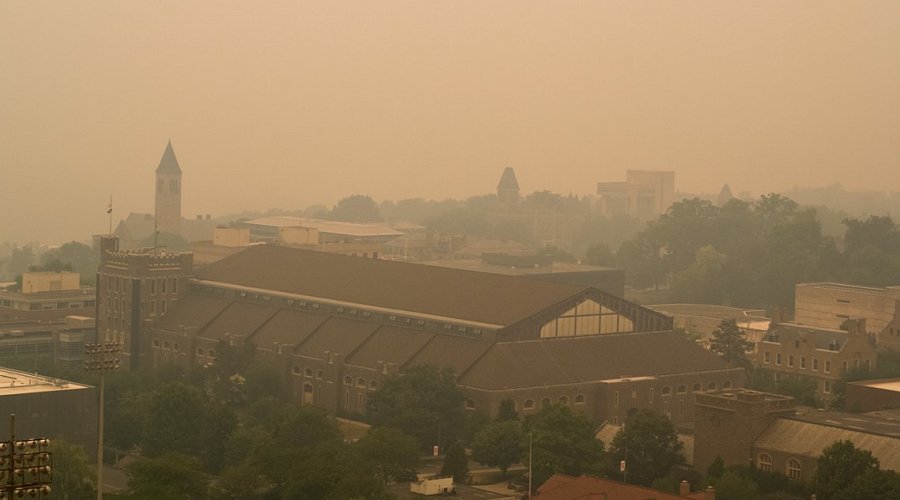
Smoke from wildfires burning in Canada shroud the campus on June 7

Cornell Expands Wildfire Smoke Sensor Network for New York

When Canadian wildfire smoke covered New York this summer, nearly half of the state's counties lacked data on air quality. A task group led by Fellow Alistair Hayden (Veterinary College) installed sensors in these counties, allowing state and federal agencies to observe smoke plumes in real time, collect data, and issue timely alerts to the public.

“In talking to officials from around the state, it quickly bubbled up that many upstate communities had no data about their air quality,” Hayden said. “Smoke and population health was a concern, and we found that 28 of New York’s 62 counties did not have a single air-quality sensor able to detect fine particulate matter... the main component of wildfire smoke.”

With support from a Cornell Atkinson Rapid Response Fund award, the research team was able to quickly purchase and install the new sensors.

Read More
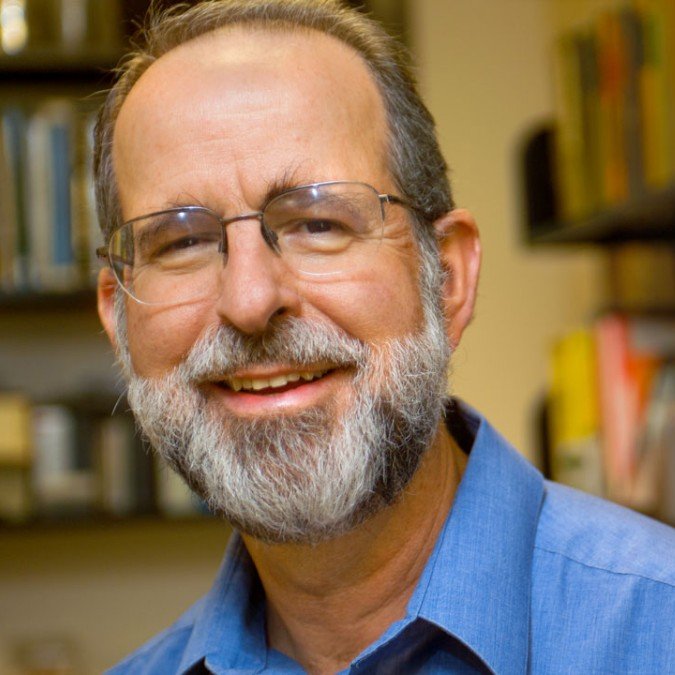
Frank DiSalvo (photo by Frank DiMeo)

In Memoriam: Frank DiSalvo

Francis "Frank" DiSalvo, founding director of what became Cornell Atkinson Center for Sustainability, passed away on October 27. We are grateful for his leadership, initiative, scientific brilliance, charisma, generosity, humor, and passion for collaboration.

Read More
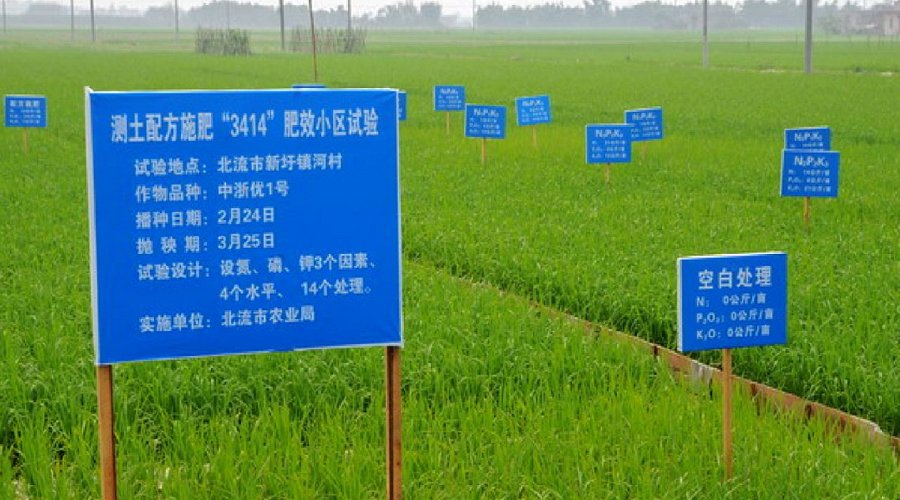
A field site in China from the National Soil Test and Fertilizer Recommendation Projects, which were conducted from 2005-13.

Increasing Soil Organic Carbon and Crop Yields

A paper by Fellows Dominic Woolf and Johannes Lehmann (both Cornell CALS) shows that promised crop yield increases at a global scale would be negligible with current technologies and optimal management practices. They suggest that new strategies, such as redistributing carbon in the form of biochar, need to be evaluated.

Read More
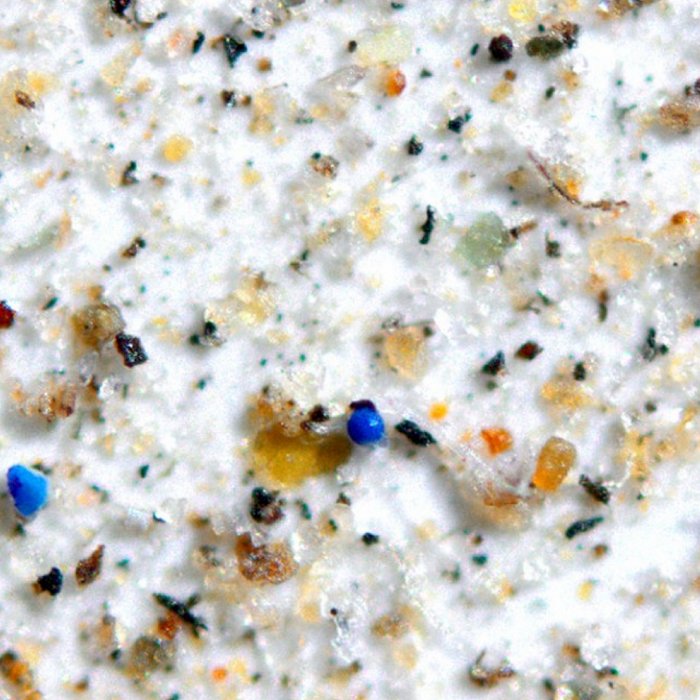
Microplastics under a microscope

Microplastics' Shape Determines How Far They Travel in the Atmosphere

Cornell researchers, including Fellows Qi Li and Natalie Mahowald (both Cornell Engineering), developed a model to simulate the atmospheric transport of microplastic fibers. They found that the fiber shape plays a crucial role in how far they travel. This modeling should help scientists determine the sources of microplastics, and inform policy efforts to reduce them.

Read More
Pulverized rock dust added to topsoil on Bowles farm - photo by Amy Quinton

Adding Crushed Rock to Farmland Pulls Carbon From Air

Adding crushed volcanic rock to cropland could play a key role in removing Carbon from the air. In a field study, Benjamin Z. Houlton (Dean, Cornell CALS), along with scientists at the University of California, Davis found that this type of rock weathering stored Carbon in the soil even during extreme drought.

Read More

Newsmakers

Cornell Atkinson-affiliated expertise and opinion featured in the media:

Facebook
Twitter
Instagram
LinkedIn
Email
GIVE NOW

Our mailing address is:
Cornell Atkinson Center for Sustainability
200 Rice Hall | 340 Tower Road
Cornell University
Ithaca, NY 14853

Subscribe or unsubscribe from this list.

Copyright © 2023 Cornell Atkinson Center for Sustainability, all rights reserved.