2024: Creating a Sustainable Agricultural System in the Mississippi River Basin with Natural Infrastructure: The Economic Costs and Benefits (EDF)
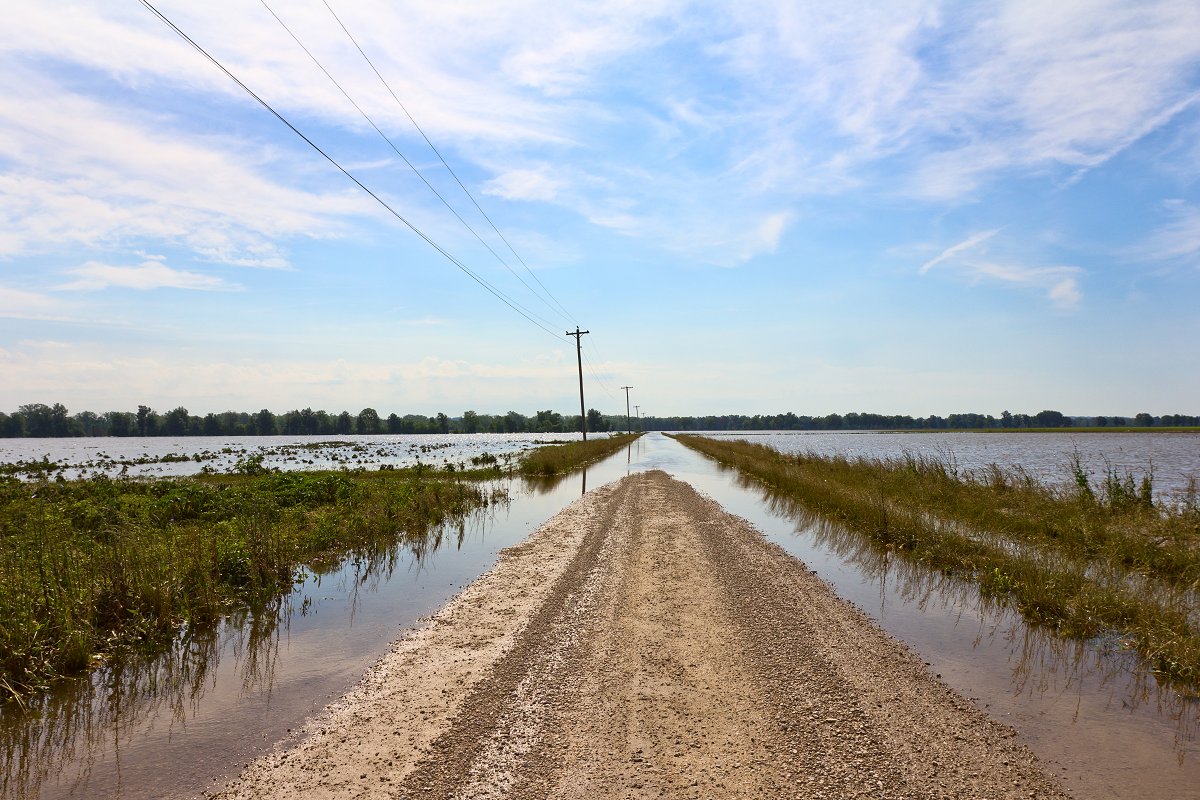
The Mississippi River Basin, which hosts 240 million acres of cropland, is increasingly vulnerable to catastrophic flooding. In addition, the EPA reports that 35-40% of lakes have excess nitrogen and phosphorus, resulting in toxic algal blooms, fish mortality, and dead zones. Natural infrastructure, such as wetlands, buffers, and floodplain restoration, can significantly reduce flooding and loss of productive cropland while improving water quality. Researchers will quantify the economic costs and benefits of integrating natural infrastructure across the basin landscape, in support of policy planning and advocacy. They’ll also assess how much optimal placement of natural infrastructure could reduce economic damages from nutrient pollution and flooding, and whether natural infrastructure could improve retention of carbon in agricultural soils – critical for soil health and climate mitigation.
Cornell: Mainul Hoque, Applied Economics and Policy
EDF: Will McDow