In my last post, I suggested that the key to successful policy to prevent the importation of nonindigenous invasive species is to focus on the pathways that bring them to our shores: transportation-related pathways, including commercial shipping; and commerce in living organisms, including the horticulture and pet industries. In this post, I offer examples of successful policy on which to build.
Ballast water in ships
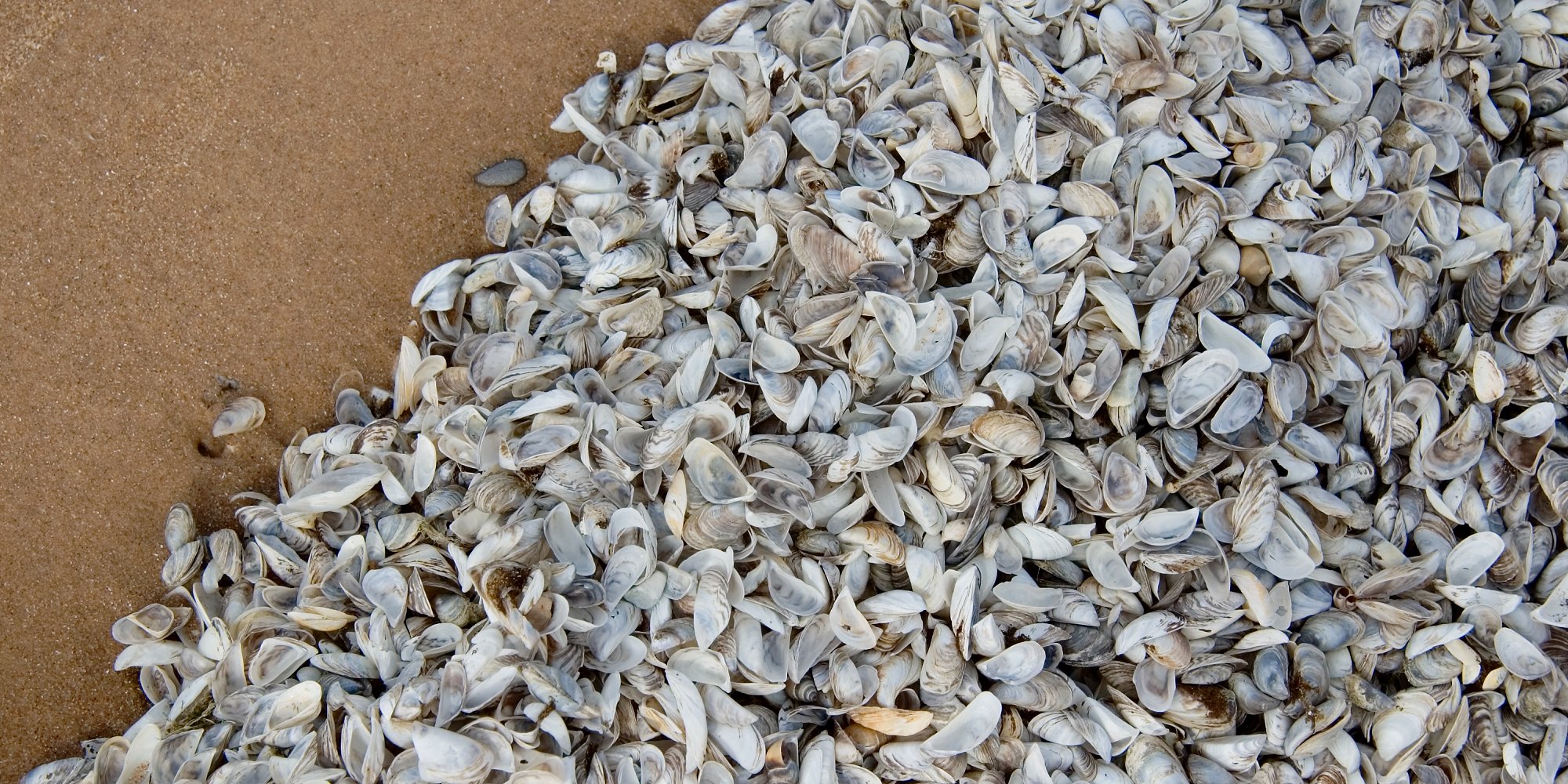
In the early 1990s, the U.S. federal government, in coordination with the Canadian government, began to enable effective management of ships’ ballast water in the Great Lakes. These actions were prompted by the impacts of zebra and quagga mussels, two species from Eurasia discovered in the Great Lakes in 1988 and 1989, respectively. Impacts included the 1989 shutdown of Detroit Edison’s Monroe Power Plant, one of the largest in the world, when its cooling pipes were clogged by mussels. Three key U.S. policies (the1990 National Aquatic Nuisance Prevention and Control Act, the 1996 National Invasive Species Act, and the 2018 Vessel Incidental Discharge Act) built on each other and leveraged new ballast water treatment technologies developed and tested with R&D investments from the Great Lakes Protection Fund and other sources.
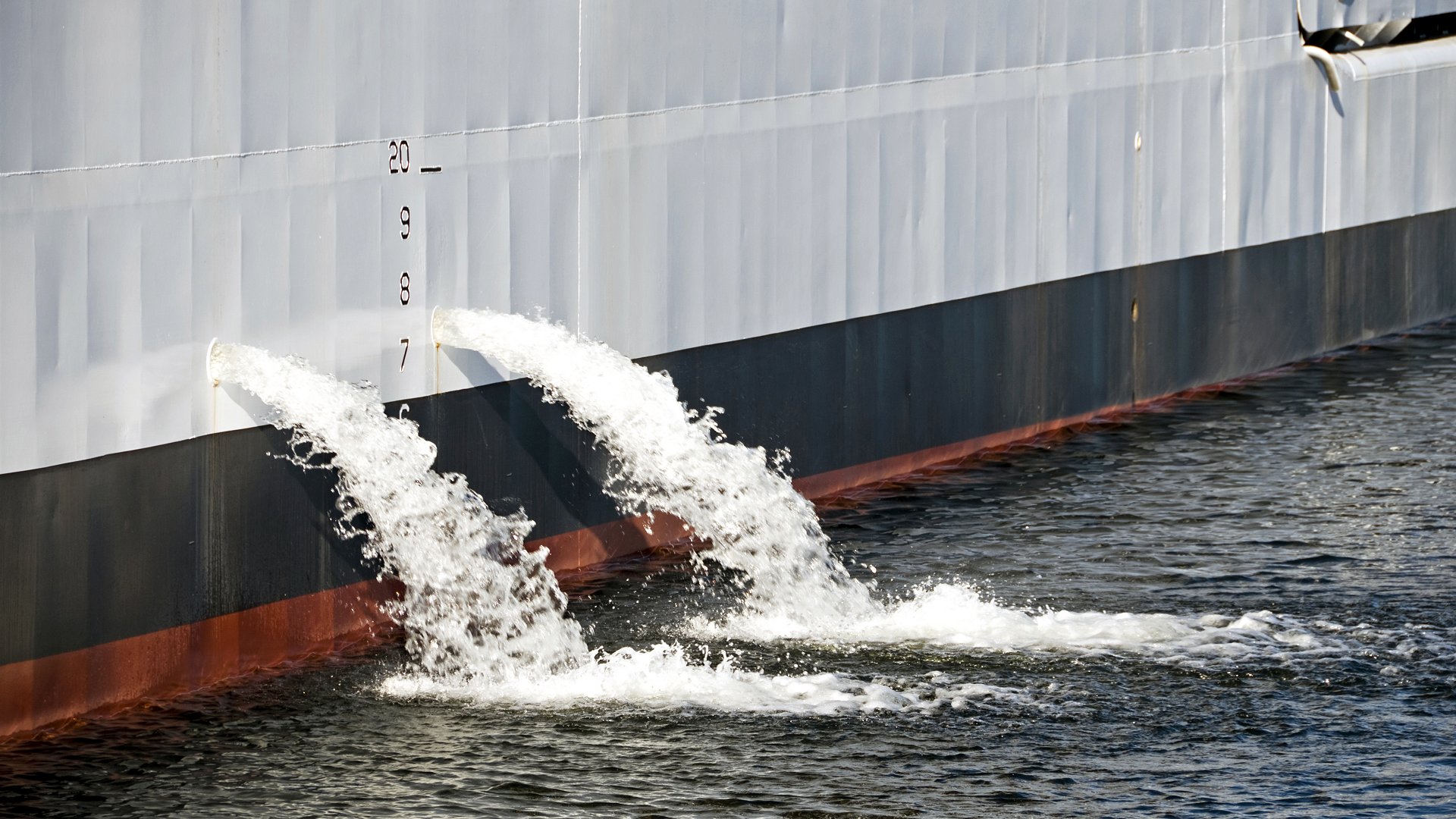
The evidence is mounting that these efforts have been successful. The rate of discovery in the Great Lakes of newly established nonindigenous species attributable to shipping has dropped 80% from its previous level of about one per year. The effort put into species surveillance in the Great Lakes is low and variable, and thus confidence in this apparent policy success would grow with more years of rigorous monitoring.
Motivated in part by policy advances in the Great Lakes, adoption of ballast water treatment came into effect globally in 2017 via the International Maritime Organization’s 2004 International Convention for the Control and Management of Ships’ Ballast Water and Sediments. A new economic sector producing shipboard ballast water treatment systems is now in full swing, with current estimated market size of $82 billion, with projected growth to $268 billion by 2030.
The importation of live animals
For industries that intentionally import living organisms, nonindigenous species are the product. The management challenge, therefore, is to distinguish which species under consideration for importation are likely to cause harm. Risk assessment tools to accomplish that have been developed only in the past three decades. Thus, the default U.S. “black-list” policy, i.e., an open door for importation of living animal species unless a species is specifically prohibited, has until recently been very reactive.
In 2007, for example, the U.S. Fish & Wildlife Service allowed the importation of all living animal species on Earth except for 17 prohibited taxa. Furthermore, as my collaborators and I documented, most of the 17 prohibited taxa were already in the country. Thus, at the time, USFWS, using authority derived from the 1900 Lacey Act’s Injurious Wildlife provision, was not accomplishing its goal of preventing the importation of harmful species.
The situation began to improve with the development of species-specific risk assessment tools and cost-benefit analyses by my collaborators and me, which showed the high net financial return from the implementation of risk assessments. In 2012, the USFWS received approval to start using quantitative risk assessments to screen species for possible listing under the Lacey Act’s Injurious Wildlife provision. Beginning in 2015, the USFWS began prohibiting many more species, including many species not yet established in the U.S. and identified by risk assessments as likely to be harmful. Now there are 785 animal species prohibited for importation, including 431 species of fish. Simultaneously the pet industry continues to thrive, with, for example, U.S. sales of aquarium fish growing at about 9% annually for the past decade.
Policies mandating ‘best available technology’ would increase benefit:cost to society
Despite the progress in reducing species introductions, nonindigenous species continue to be discovered every year, albeit at a slowing rate for many taxa. Recent discoveries attributable to shipping include the highly damaging golden mussel in California. The pet and aquaculture industries have imported Australian red claw crayfish, which the USFWS determined is likely to be highly damaging. Nevertheless importation has not been prohibited, revealing the severe limitations of the black-list approach Congress has chosen. Wild populations of this crayfish now exist in Texas and elsewhere.
Prevention would be more successful if Congress mandated a white-list regime, i.e., importation is prohibited unless a species first passes a risk assessment. Given the creation and constant improvement of risk assessment approaches, now more powerfully aided by AI, the USFWS, USDA (which bans the importation of noxious weeds), and CDC (which bans the importation of some species to protect human health) could feasibly conduct risk assessments quickly and cheaply enough to satisfy the needs of animal and plant importers who propose to import a nonindigenous species.
U.S. policies that mandate the use of the best available technology would make management interventions more effective and cost efficient. For example, new tools of species detection like environmental DNA (eDNA) could provide faster, cheaper, and more accurate biosecurity inspections at ports of entry for ship-borne and intentionally imported species. Every day, for example, USFWS inspectors are responsible for screening shipments of thousands of imported fish and other animals, while USDA inspectors do the same for plants and plant pests. Accelerated uptake of eDNA as a basis for interdiction at ports would bring higher protection at lower cost.
Given an estimated 8 million-plus species of plants, animals, and fungi on Earth, most of which have not yet been introduced to the U.S., new prevention policies – turbocharged by best available technologies in risk assessment and species detection – would bring great net benefits to human welfare.
Header photo: Zebra Mussels on the shore of Lake Michigan (iStock)
David M. Lodge is the Francis J. DiSalvo Director of the Cornell Atkinson Center for Sustainability