2019: Tracing Aquaculture Feed Sources to Guide Mitigation of Biodiversity and Pollution Impacts (EDF)
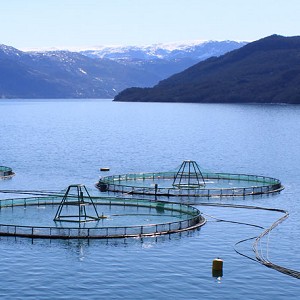
Aquaculture is the fastest growing source of animal protein to feed humanity. Its exponential expansion is fueled by harvesting of wild fish, which are reduced into fishmeal and oil that are critical ingredients in pelleted feeds. Intensive fishing has contributed to collapse of many stocks, yet market demand to feed both people and farmed fish is expected to continue growing, and could lead to widespread alteration of marine food webs. At the same time, intensive fish farming is creating further pollution of rivers, lakes, and coastlines. These diverse impacts of aquaculture require new mitigation strategies to safeguard marine biodiversity and human food security. Our vision is to use genetic tracking of fish sources and mercury isotope tracing of contaminants to reveal what types of intervention would most enhance aquaculture sustainability.
Cornell Investigators: Peter McIntyre, Natural Resources; Nina Therkildsen, Natural Resources
EDF Investigators: Tim Fitzgerald, Oceans Program