New York City isn’t just a destination for Cornell — it’s our front yard. From Weill Cornell Medicine on the Upper East Side to our Midtown executive education centers and Cornell Tech on Roosevelt Island, the city is home to a vibrant network of faculty, students, alumni, partners, and supporters shaping sustainability policy and practice every day.
Climate Week NYC 2025 showed exactly why this proximity matters. While federal climate action has shifted, this year’s Climate Week demonstrated the remarkable vitality of climate leadership across cities, states, corporations, NGOs, and academic institutions. Marking Cornell Atkinson Center for Sustainability’s 15th anniversary, we joined this dynamic ecosystem with ten events in four days.
We saw Cornell’s presence at Climate Week NYC not only as an opportunity to showcase existing partnerships, but also to explore new collaborations, and learn from the diverse actors driving practical climate solutions.
Here are just a few takeaways from our action-packed week:
We must meet decision-makers where they are. Cornell’s Climate Week programming reflected both our research strengths and our understanding of where decisions get made. Aligned with Cornell’s 2030 Project: A Cornell Climate Initiative, we brought faculty experts directly into dialogue with the public- and private-sector leaders who shape climate action. These events weren’t just about presenting research. They were about co-creating pathways from science to policy to practice with the partners (community planners, corporations, policymakers at the state and local level) who can put solutions into action.

Climate leadership is bigger than any one sector. While federal policy has shifted, momentum among cities, states, corporations, and civil society is stronger than ever. Climate Week showed that leadership is distributed, dynamic, and increasingly interconnected.
Partnerships turn good ideas into real solutions. Every promising solution we highlighted, from livestock methane reduction to regenerative agriculture finance and clean energy deployment, was built on partnerships bridging research, NGOs, corporations, and government. We were honored to showcase collaborations with strong partners like Clean Air Task Force, Environmental Defense Fund, The Nature Conservancy, Nuclear New York, and Regional Plan Association. Partnerships aren’t optional in confronting climate change — they’re the only way forward.
Research isn’t enough without action. The most valuable conversations weren’t about what we know, but about what decision-makers need to know. Our role as a research institution increasingly means translating complex science into actionable insights with and for our partners facing real-world constraints and opportunities.
Implementation is where ambition meets reality. Climate Week reinforced that effective climate action happens through sustained partnership and practical problem-solving. We listened, we learned, and we gained sharper insight into the real-world constraints our partners face — from the financing gaps that prevent promising technologies from scaling to the nuances of policy uncertainties that complicate long-term planning.
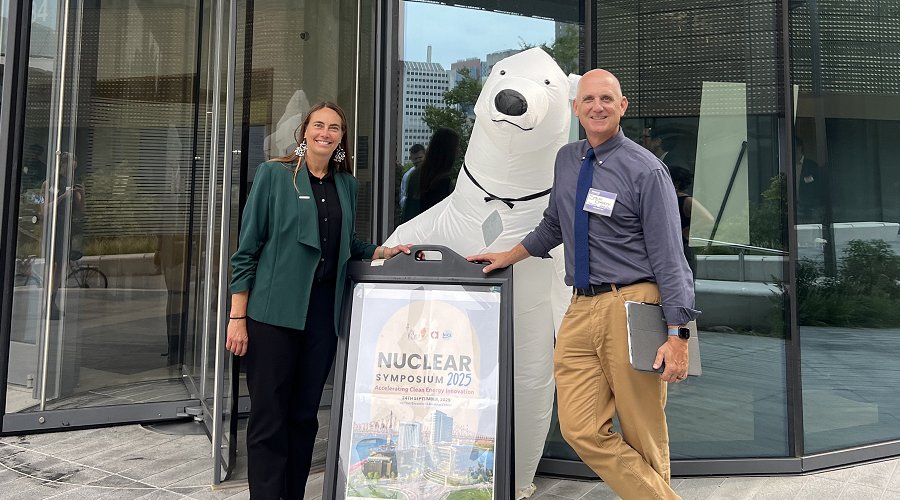
We were particularly encouraged by the sophistication of conversations around implementation. Whether discussing nuclear deployment timelines, regenerative agriculture incentive structures, or urban climate resilience planning, the focus was consistently on practical pathways forward rather than abstract possibilities.
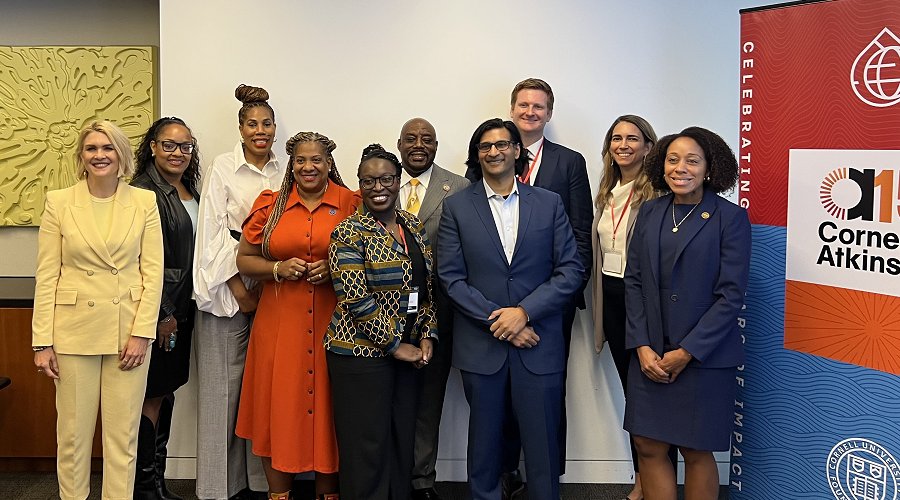
Science can and should serve real-world solutions. Cornell Atkinson’s role is clear: we are a bridge between rigorous research and actionable solutions. Our New York City presence isn’t just convenient — it’s strategic. Rooted in Cornell’s Land Grant commitment to serve New York and beyond, our Climate Week engagement underscored how research, when paired with partnerships, can inform policy, guide corporate practice, and accelerate climate solutions.
Fostering these partnerships is the core of my work and our team’s mission. Climate Week is just one moment when this comes vividly to life — a special time to gather, learn, and act together — but it also reflects the thriving collaborations we are proud to nurture with our partners all year long. From nuclear technologies to soil carbon solutions, the ideas sparked this week will advance through the sustained work of building, testing, and scaling alongside our partners through our Innovation for Impact Fund.
Climate Week reminded us that while the challenges are immense, so is the ingenuity and collaborative energy driving solutions. Cornell Atkinson’s next 15 years will be defined by how effectively we channel our research excellence into partnerships that deliver impact for New York State, the U.S., and around the globe.
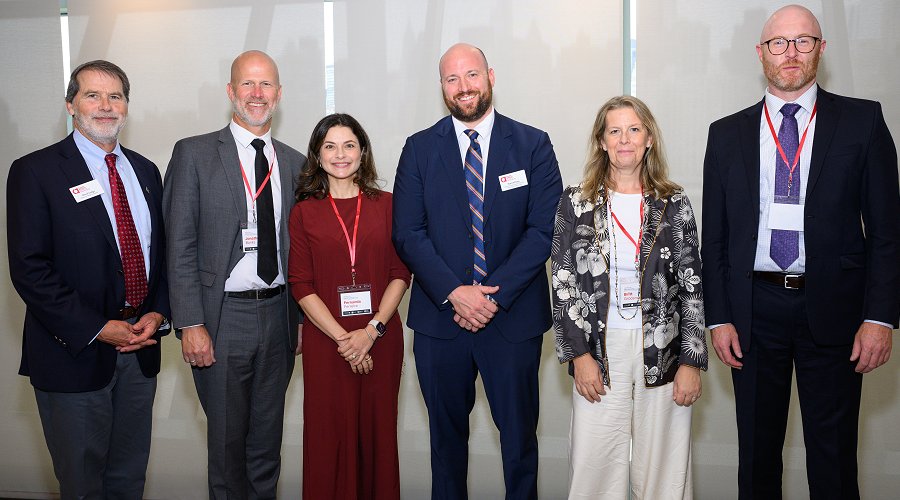
About Cornell Atkinson Center for Sustainability: For 15 years, Cornell Atkinson has been catalyzing transformative research and solutions at the intersection of environmental sustainability and human well-being. Through interdisciplinary collaboration and strategic partnerships, we bridge the gap between academic excellence and real-world impact.
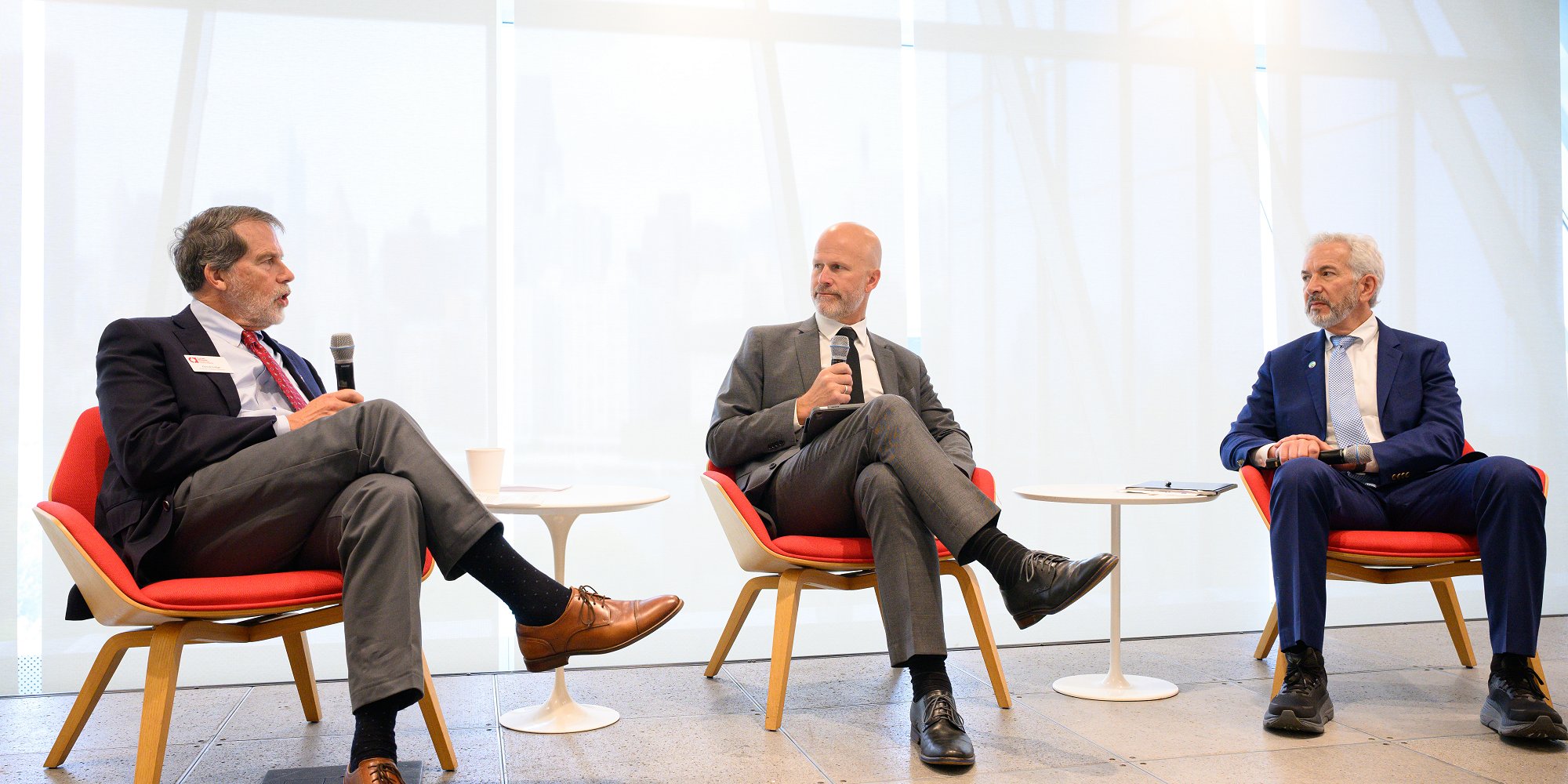
Banner photo: David M. Lodge (Cornell Atkinson), Jonathan Banks (CATF), and Fred Krupp (EDF) speak at the “Science to Policy to Practice: Accelerating Livestock Climate Solutions” event during 2025 Climate Week NYC on September 24, 2025 (photo provided)
Patrick Beary is the Bruce H. Bailey Senior Director of Strategic Partnerships at Cornell Atkinson.