2026: Climate-Smart Shea: Carbon Insetting, Biochar Innovation, and Climate Finance for Uganda’s Nilotica Belt
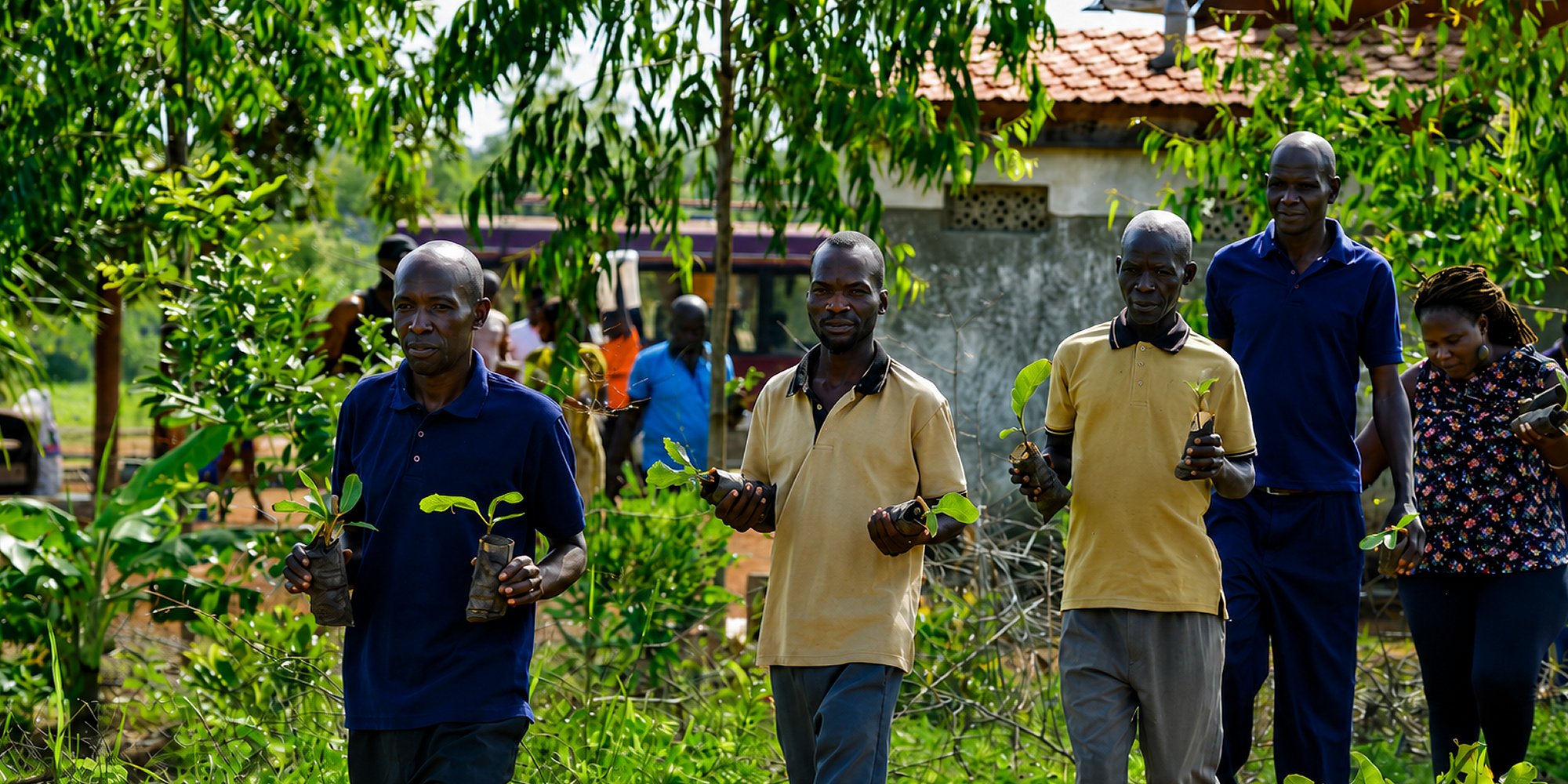
This project examines the climate and economic potential of shea agroforestry systems in northern Uganda, where landscapes dominated by Vitellaria nilotica may represent a significant but poorly understood carbon sink. Working with the Okere Shea Cooperative Society in Okere City, researchers will quantify carbon sequestration across shea landscapes using field measurements, GIS mapping, and remote sensing technologies. The project will also explore how biochar produced from shea-processing waste could improve soil health while serving as a measurable carbon removal strategy. In parallel, the team will evaluate climate finance mechanisms and carbon market pathways that could connect regenerative agricultural practices with sustainable shea production. The research aims to generate the scientific evidence needed to expand carbon insetting programs that support smallholder farmers, improve climate resilience, and create new economic opportunities. The work could help integrate African agroforestry systems into global climate mitigation and sustainability initiatives.
Investigators: Ed Mabaya (Cornell CALS/Ashley School/Global Development), Johannes Lehmann (Cornell CALS/School of Integrative Plant Science/Crop and Soil Sciences), Chuan Liao (Cornell CALS/Ashley School/Global Development), Fridah Mubichi-Kut (SC Johnson College of Business/Applied Economics and Policy), Ralph Christy (SC Johnson College of Business/Applied Economics and Policy)