2026: Designing Climate-Resilient Greenhouse Agriculture Through Autonomous Biosecurity Infrastructure
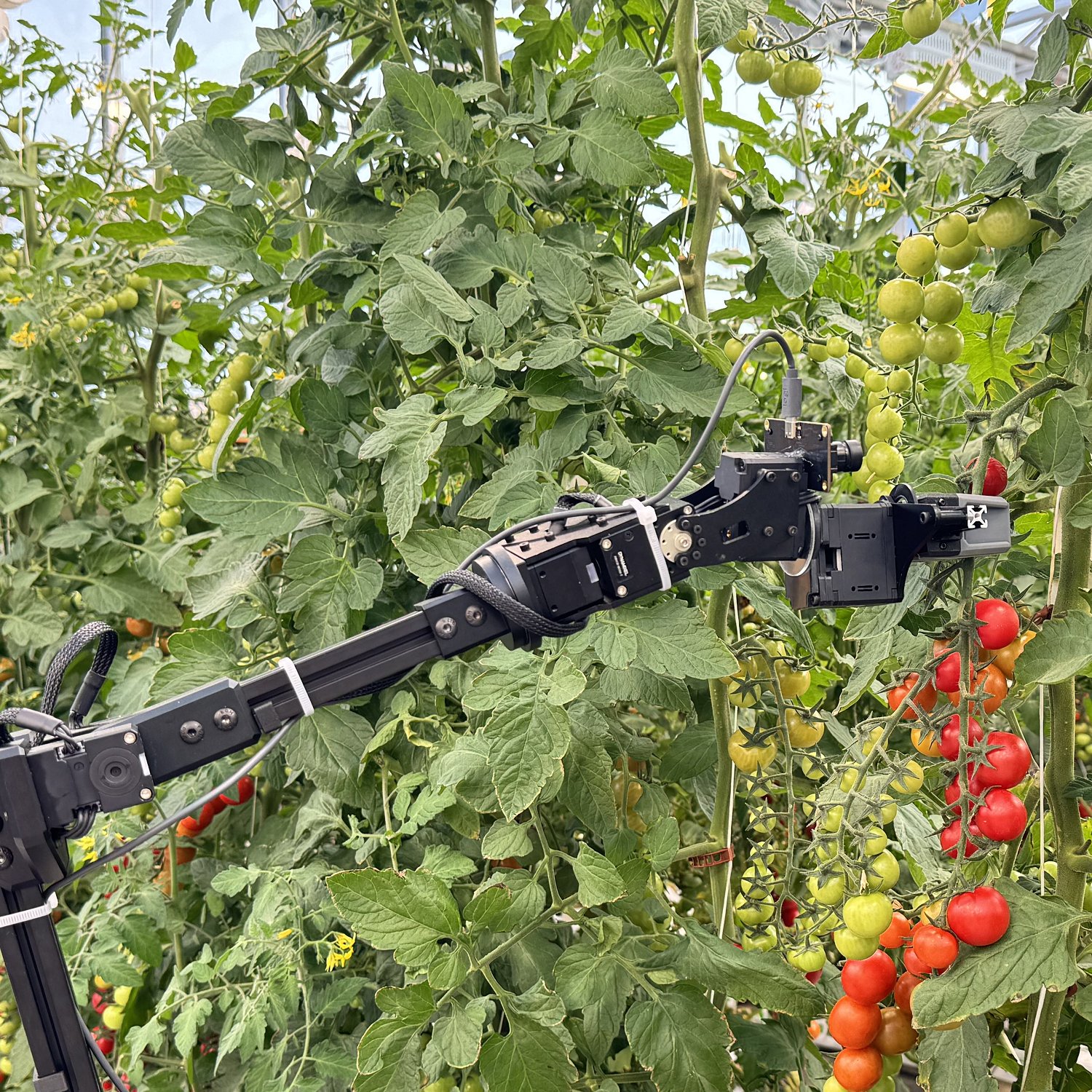
As controlled-environment agriculture (CEA) expands to strengthen food security under climate change, greenhouse production systems face growing threats from emerging plant diseases such as tomato brown rugose fruit virus. Current disease surveillance methods remain labor-intensive and reactive, limiting the resilience of high-value specialty crop production. This project will develop an automated biosecurity infrastructure that integrates robotic leaf sampling, rapid molecular diagnostics, and economic adoption modeling to improve early pathogen detection in greenhouse systems. The platform will enable georeferenced sampling with automated self-sanitization, reducing contamination risks and accelerating outbreak response. The multidisciplinary collaboration brings together expertise in engineering, plant pathology, economics, and greenhouse production, along with industry partners, to design scalable systems suitable for a range of CEA operations. By reducing chemical use, lowering labor costs, and improving disease management, the project aims to strengthen the environmental, economic, and technological sustainability of greenhouse agriculture.
Investigators: Lirong Xiang (Cornell CALS/Biological and Environmental Engineering), Dominique Holtappels (Cornell CALS/School of Integrative Plant Science/Plant Pathology and Plant-microbe Biology), Neil Mattson (Cornell CALS/School of Integrative Plant Science/Horticulture), Allan Pinto (Cornell CALS/Cornell Integrated Pest Management, Postdoc)